
Product summary
What Foam Injection contributes to the system.
Hytrans cites mixing rates of 6% up to 24,000 lpm and 3% up to 48,000 lpm. The system can be configured as a stand-alone unit or integrated with larger HydroSub and AutoBoost configurations.
The practical advantage is not merely dosage accuracy. It is incident discipline: better suppression performance, lower foam waste and cleaner training or testing workflows.
At a glance
What it solves
Operational problems, answered directly.
- Inconsistent foam proportioning across variable flows and pressures.
- Pressure loss or handling complexity caused by conventional proportioning arrangements.
- Excess foam waste during training, setup or system testing.
Why it matters operationally
Because predictability is cheaper than improvisation.
In industrial fire scenarios, foam performance is not a decorative detail. It is often the difference between strategic control and an incident that decides to become famous.
PowerFoam protects both suppression effectiveness and operating cost, while simplifying handling and cleaning for teams that already have enough to manage.
Typical use cases in Mauritius and the region
Where Foam Injection earns its keep.
- Tank farm and petrochemical firefighting
- Port fuel storage and transfer areas
- Airport fuel incidents
- Industrial fire brigades requiring high-flow foam capability
- Preparedness exercises where foam conservation matters
System role
How it fits the wider deployment architecture.
Specialist suppression layer: PowerFoam integrates with pumping and monitor systems to add accurate foam capability to high-volume water transport architectures.
Photo references
Foam Injection in the field.
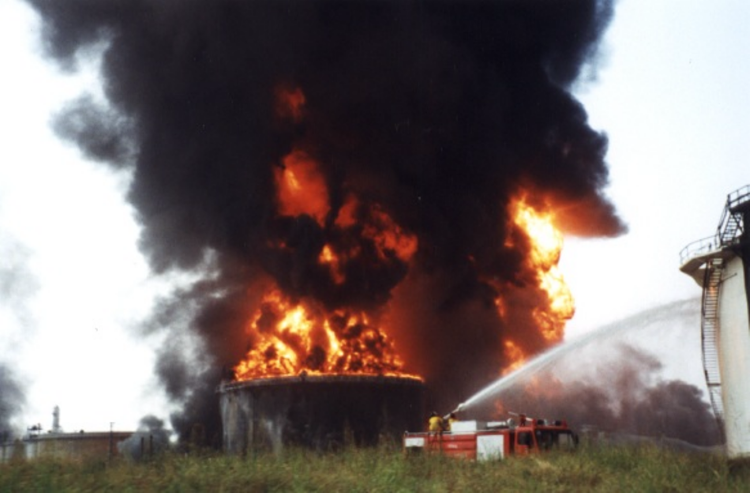
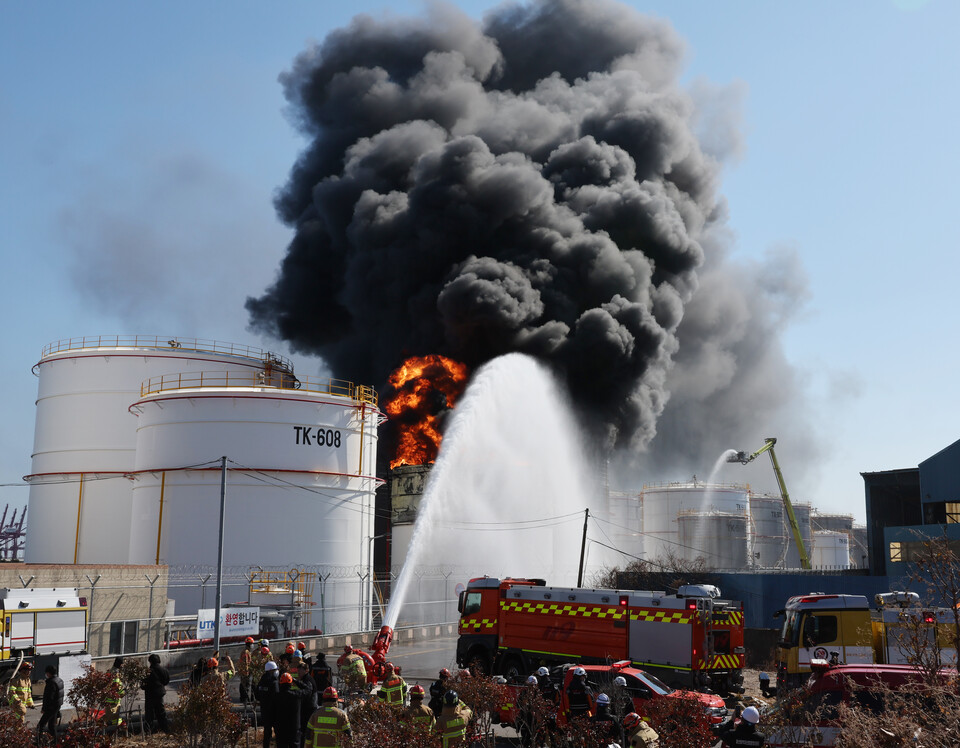
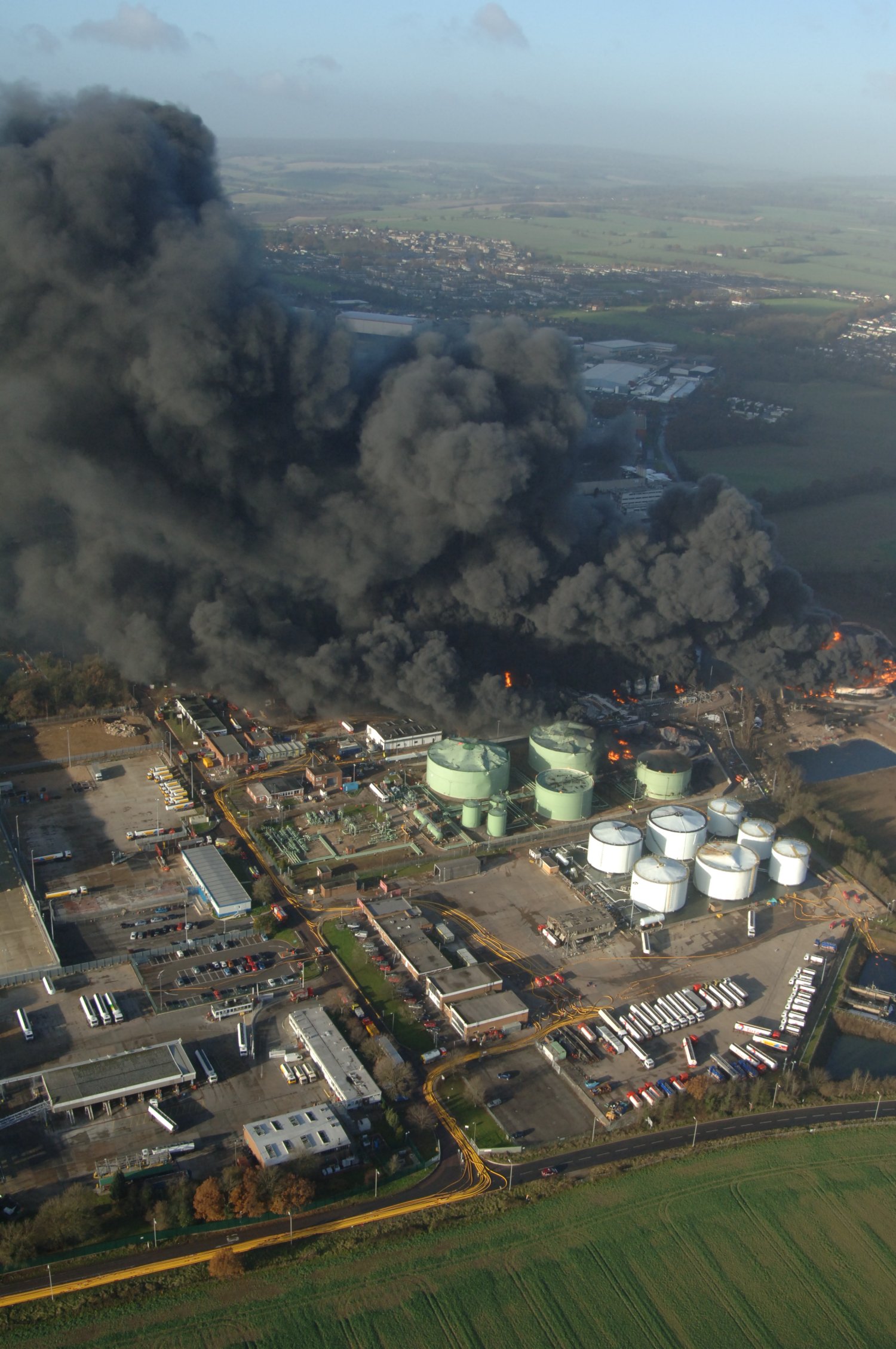
Public reference imagery from Hytrans materials provides visual context for deployment environments, line geometry and system scale.
Related insights
Context from Bramston & Associates.
Articles below link the solution back to operational resilience, procurement logic and real-world response design.