
Product summary
What Hardware contributes to the system.
Hytrans describes the PWSE range as covering manifolds, Y-pieces, gate valves and non-return valves, built in seawater-grade aluminium and supporting hose diameters from 4 inches to 12 inches.
In other words, this is the connective tissue of the system: the components that make branching, isolation, redundancy and controlled distribution possible without improvisation.
At a glance
What it solves
Operational problems, answered directly.
- Lack of modular distribution options during large deployments.
- Slow or unsafe field improvisation with incompatible fittings.
- Poor flow control and water hammer risk in temporary networks.
Why it matters operationally
Because predictability is cheaper than improvisation.
Major incidents are rarely defeated by one perfect line. They are controlled by a network—split, routed, isolated, redirected and protected as conditions change.
Good hardware makes that network manageable. Bad hardware makes it theatrical.
Typical use cases in Mauritius and the region
Where Hardware earns its keep.
- Temporary aboveground hydrant-style layouts
- Multi-branch firefighting and cooling operations
- Industrial sites with several attack or cooling points
- Flood and dewatering layouts requiring controlled routing
- Critical infrastructure back-up supply with selective distribution
System role
How it fits the wider deployment architecture.
Distribution intelligence: hardware lets the system branch, regulate and isolate water flows so the relay network behaves like an engineered capability rather than a hose with ambition.
Photo references
Hardware in the field.
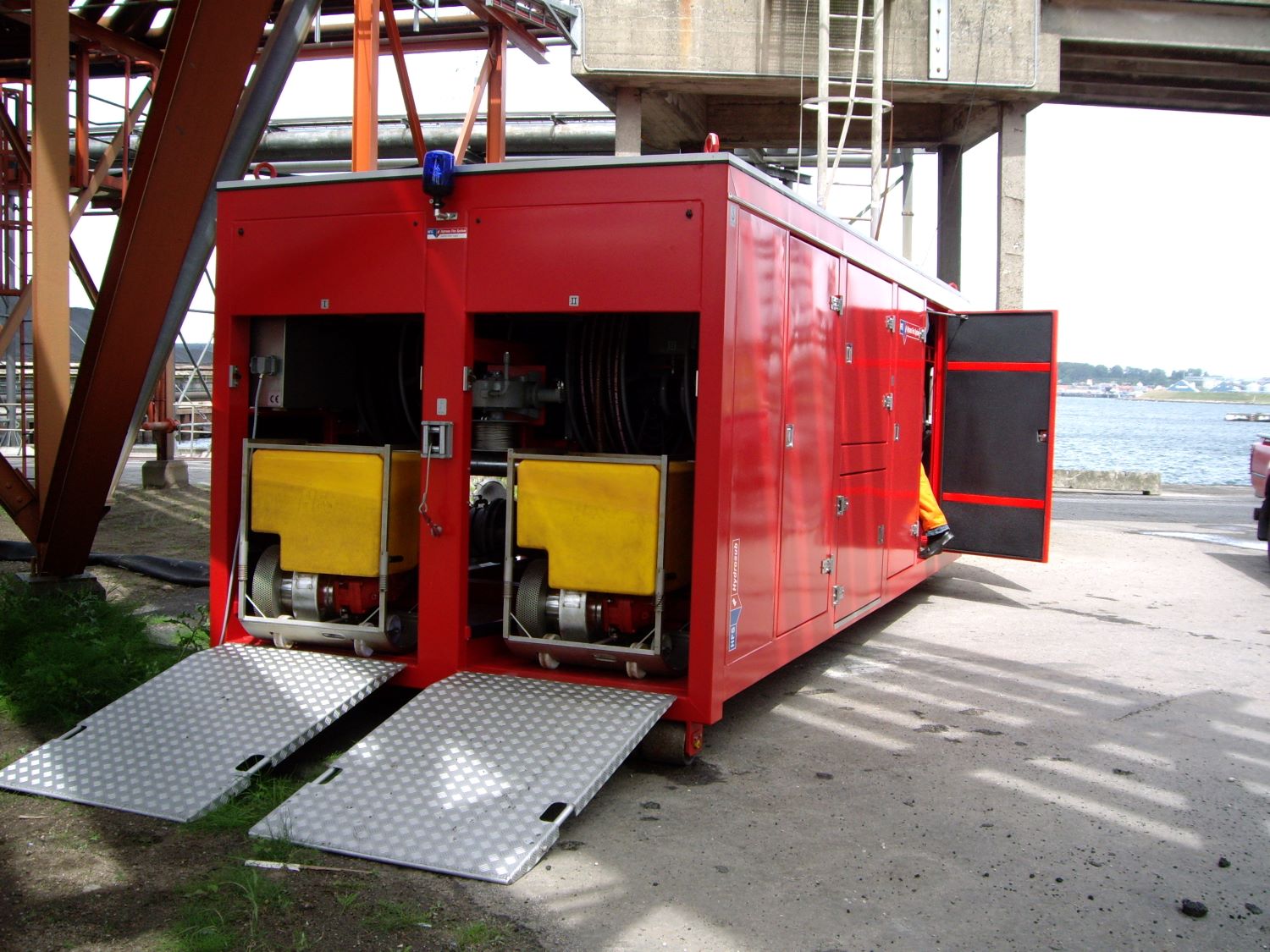
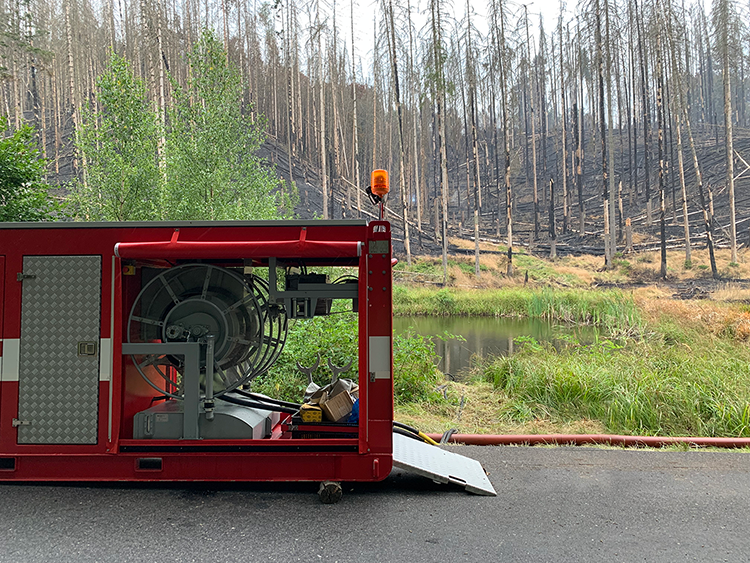
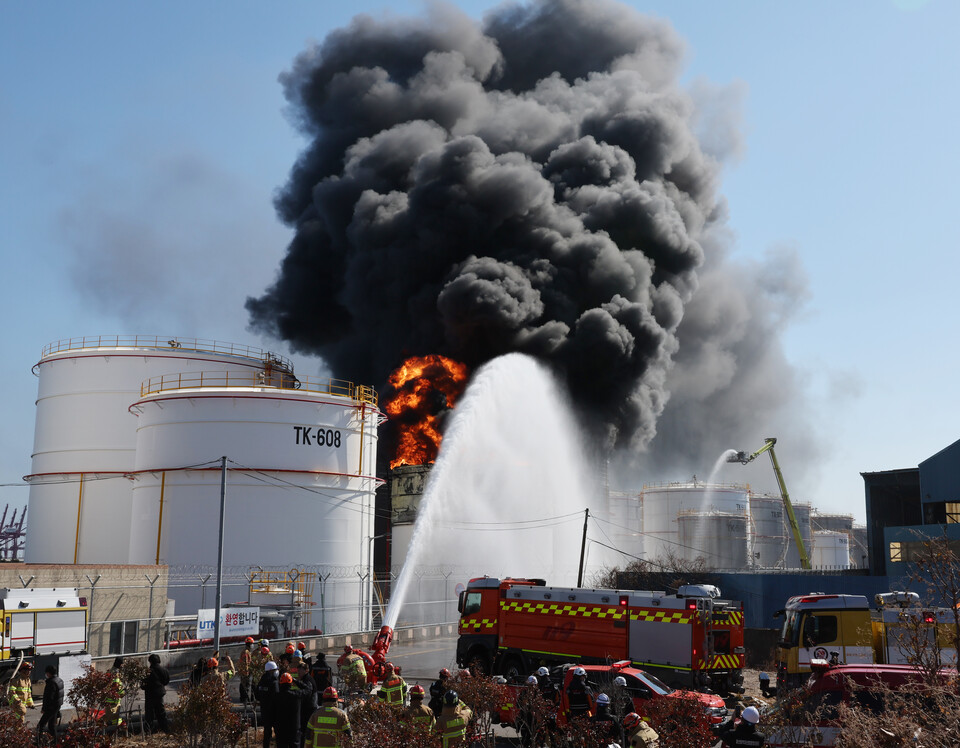
Public reference imagery from Hytrans materials provides visual context for deployment environments, line geometry and system scale.
Related insights
Context from Bramston & Associates.
Articles below link the solution back to operational resilience, procurement logic and real-world response design.