
Product summary
What Hose Ramps contributes to the system.
Hytrans provides SqueezeRamps for hoses up to 8 inches and HoseRamp solutions for diameters up to 12 inches. The point is simple: uninterrupted water flow without turning every crossing into a vulnerability.
This is especially useful in ports, industrial campuses and urban incidents where logistics continue around the operation and the operation must not be crushed by its own success.
At a glance
What it solves
Operational problems, answered directly.
- Traffic damage to critical supply hoses.
- Operational disruption where routes must remain open.
- Unsafe ad hoc crossings that compromise crews, equipment and flow.
Why it matters operationally
Because predictability is cheaper than improvisation.
A hose line that cannot cross a road is not a strategic asset; it is a complaint waiting to happen. Hose ramps turn temporary water networks into more practical operational infrastructure.
They also reduce secondary friction with site operations and public movement, which is often the difference between smooth coordination and avoidable conflict.
Typical use cases in Mauritius and the region
Where Hose Ramps earns its keep.
- Port and terminal operations with active vehicle traffic
- Industrial sites where logistics routes must remain open
- Urban firefighting across roads or hardstanding
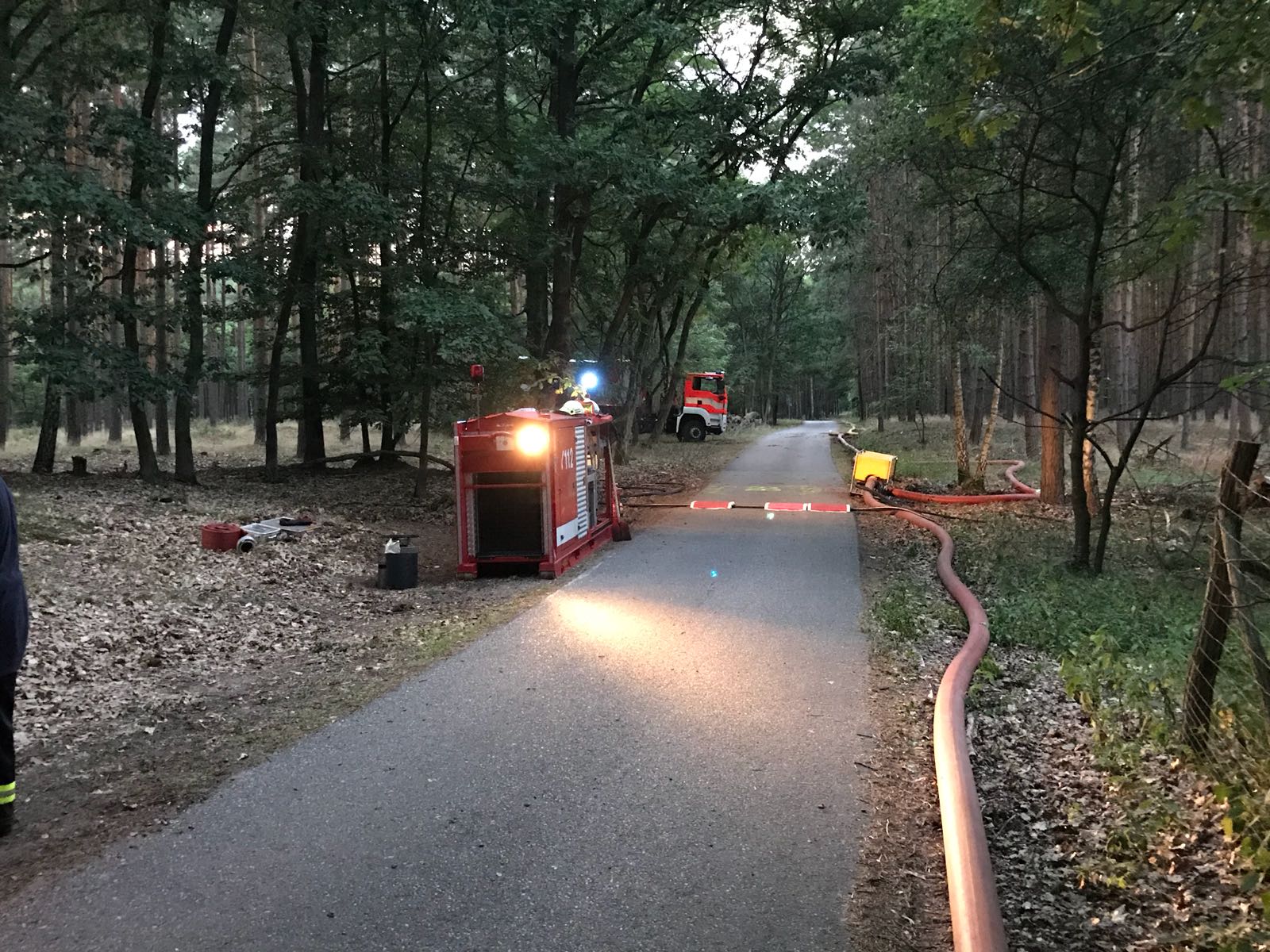
- Wildfire staging areas where heavy vehicles move around the line
- Temporary back-up supply routes across service access roads
System role
How it fits the wider deployment architecture.
Protection layer: hose ramps preserve the integrity of the relay network wherever supply lines intersect with vehicle movement, keeping both water and operations flowing.
Photo references
Hose Ramps in the field.
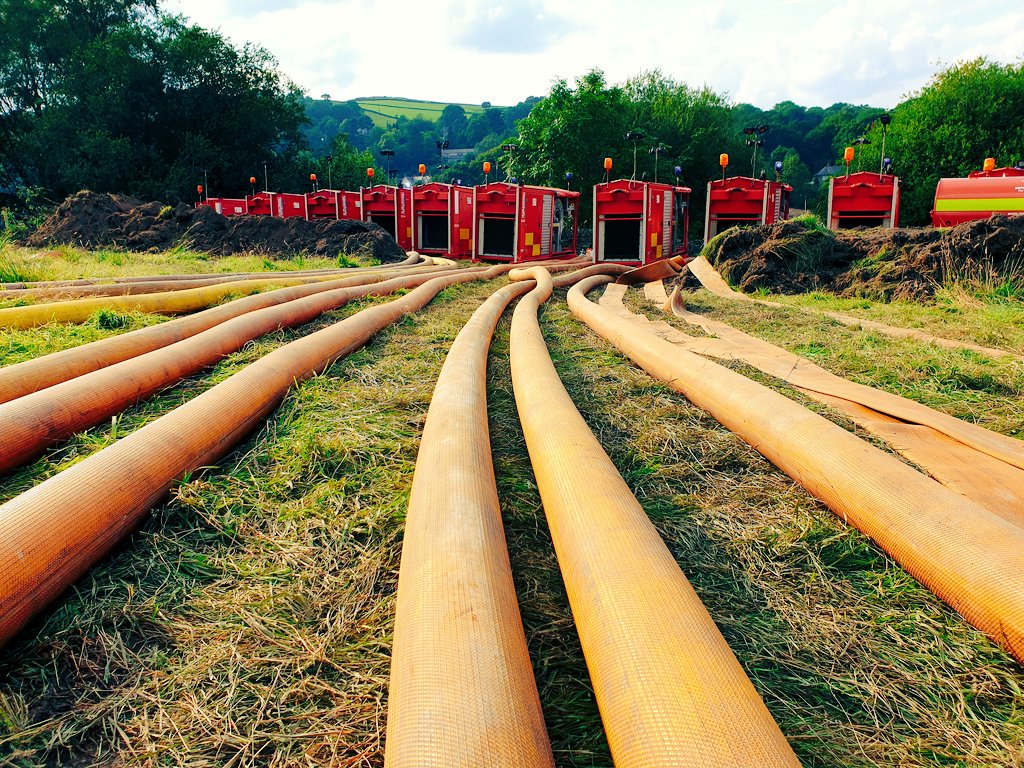
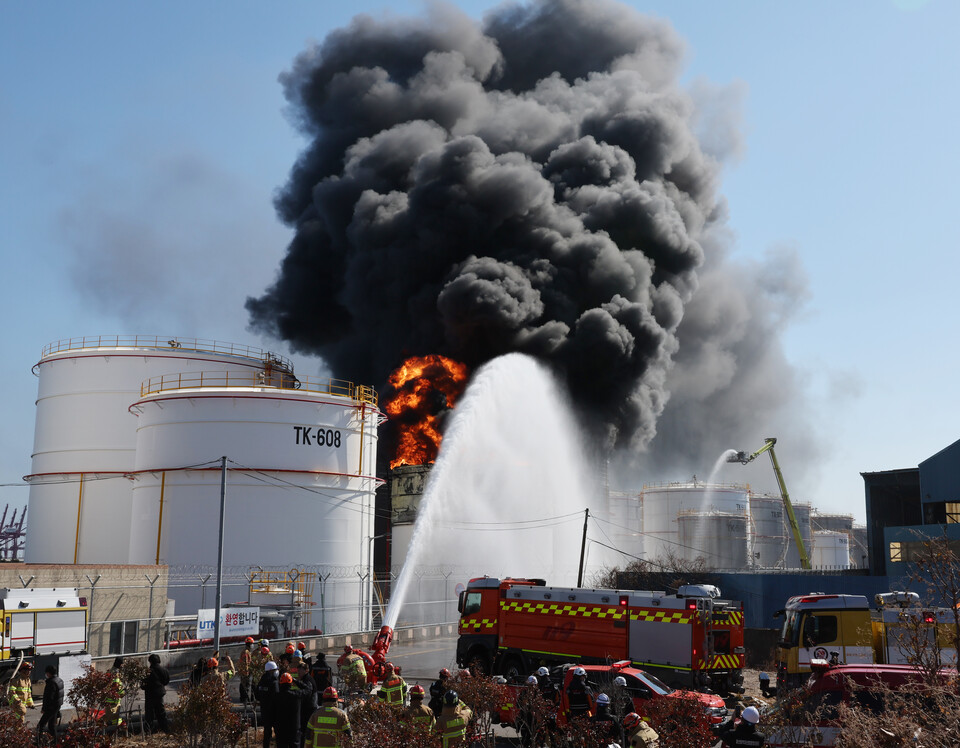
Public reference imagery from Hytrans materials provides visual context for deployment environments, line geometry and system scale.
Related insights
Context from Bramston & Associates.
Articles below link the solution back to operational resilience, procurement logic and real-world response design.