
Product summary
What Monitors contributes to the system.
Hytrans describes a range of trailer-mounted and portable monitors together with nozzles that support variable flow and foam compatibility. The emphasis is on high performance, long throw range and dependable control under difficult conditions.
For major firefighting or cooling in Mauritius, monitors matter because line capacity only translates into incident control if application remains stable and precise at the point of use.
At a glance
What it solves
Operational problems, answered directly.
- Insufficient throw and control at large or hazardous incidents.
- Need for monitor options that suit both fixed attack positions and mobile deployment.
- Difficulty matching nozzle behaviour to changing suppression requirements.
Why it matters operationally
Because predictability is cheaper than improvisation.
Water transport is logistics. Monitors turn logistics into tactical effect. The wrong application geometry wastes the virtues of the rest of the system.
The right monitor, by contrast, lets crews make the most of sustained supply—whether the goal is direct attack, exposure protection or long-duration cooling.
Typical use cases in Mauritius and the region
Where Monitors earns its keep.
- Tank farm and refinery incidents
- Port infrastructure and marine terminals
- Airport emergency response
- Large municipal fires with defensive operations
- Emergency cooling at hazardous industrial sites
System role
How it fits the wider deployment architecture.
Terminal application layer: monitors convert transported water into controlled suppression or cooling effect at distance, with optional foam integration where required.
Photo references
Monitors in the field.
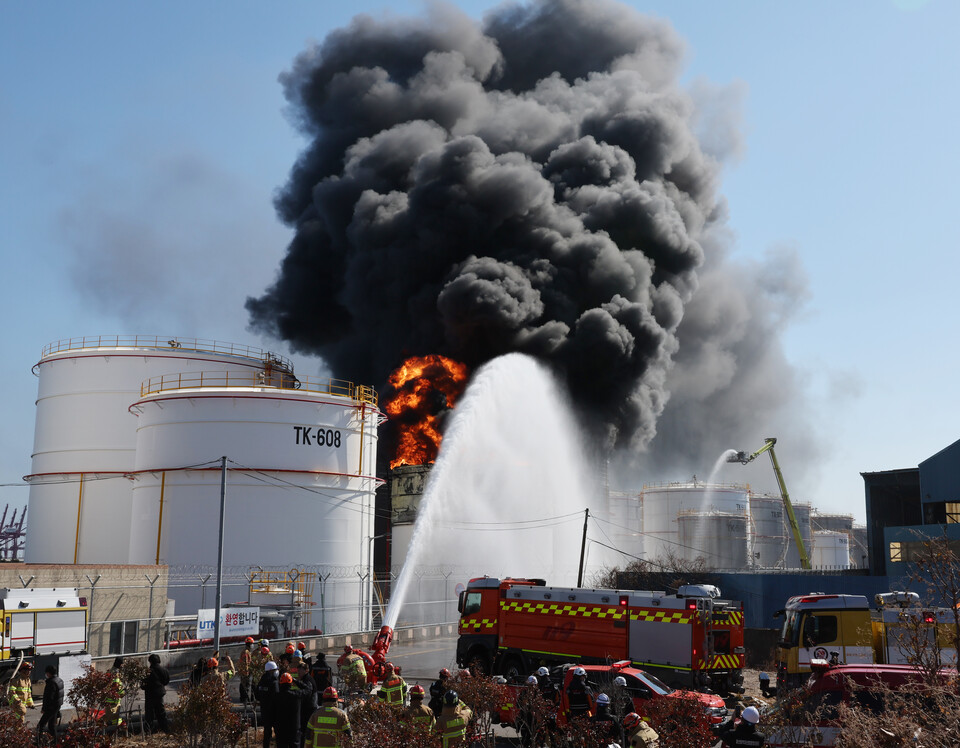
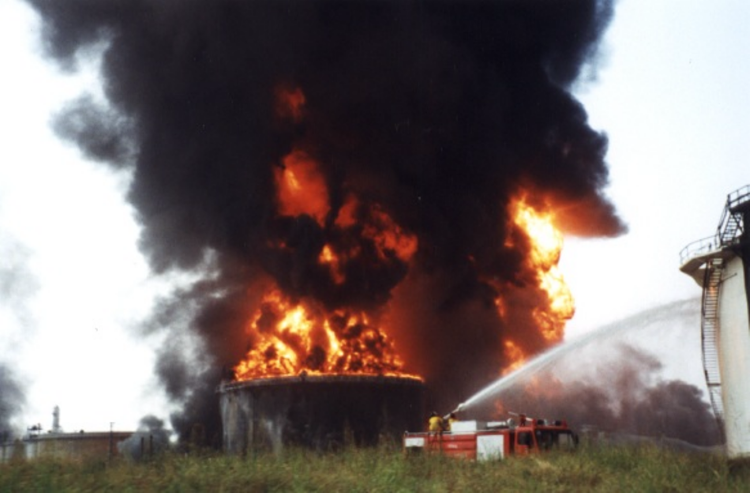
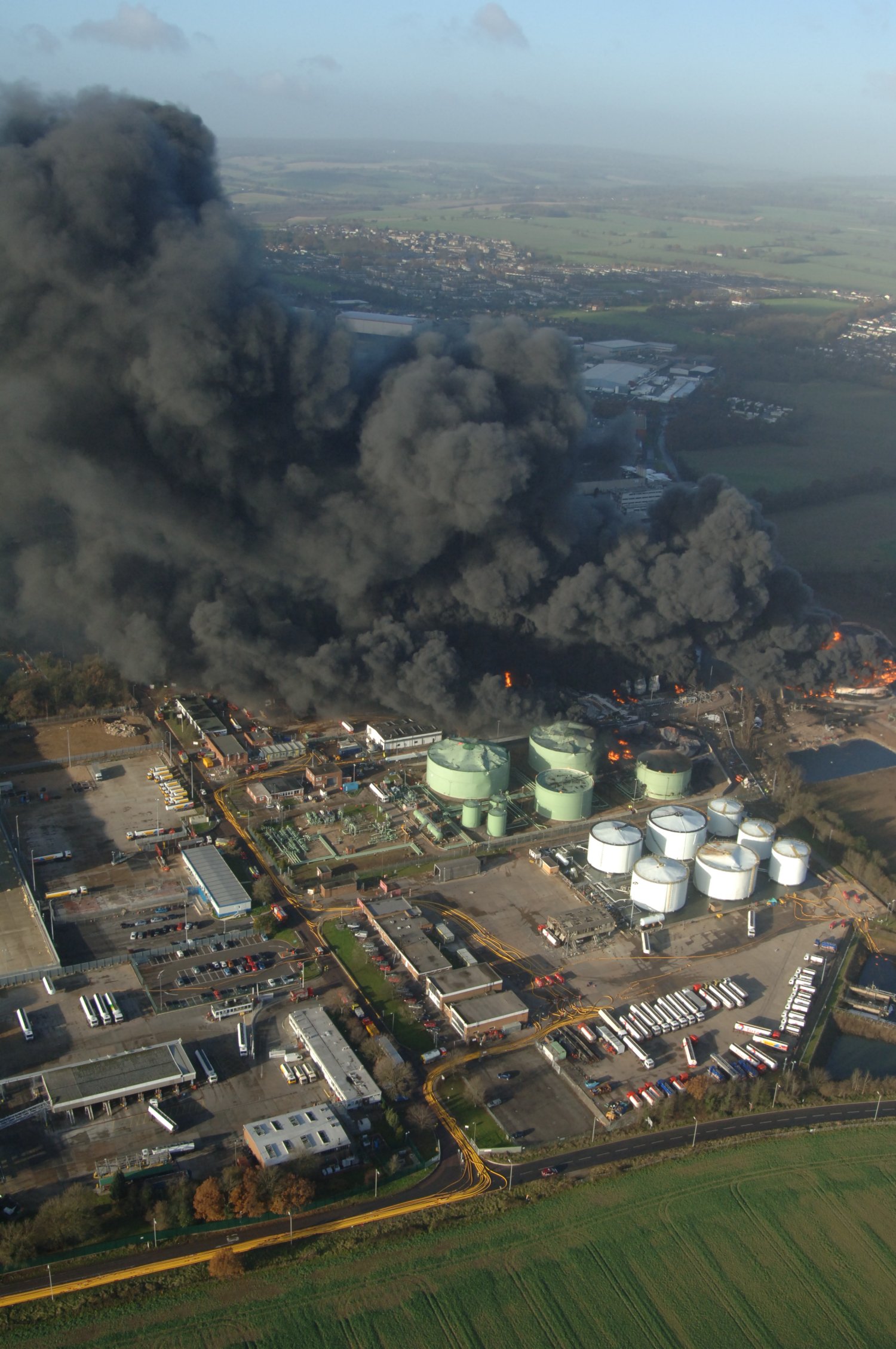
Public reference imagery from Hytrans materials provides visual context for deployment environments, line geometry and system scale.
Related insights
Context from Bramston & Associates.
Articles below link the solution back to operational resilience, procurement logic and real-world response design.